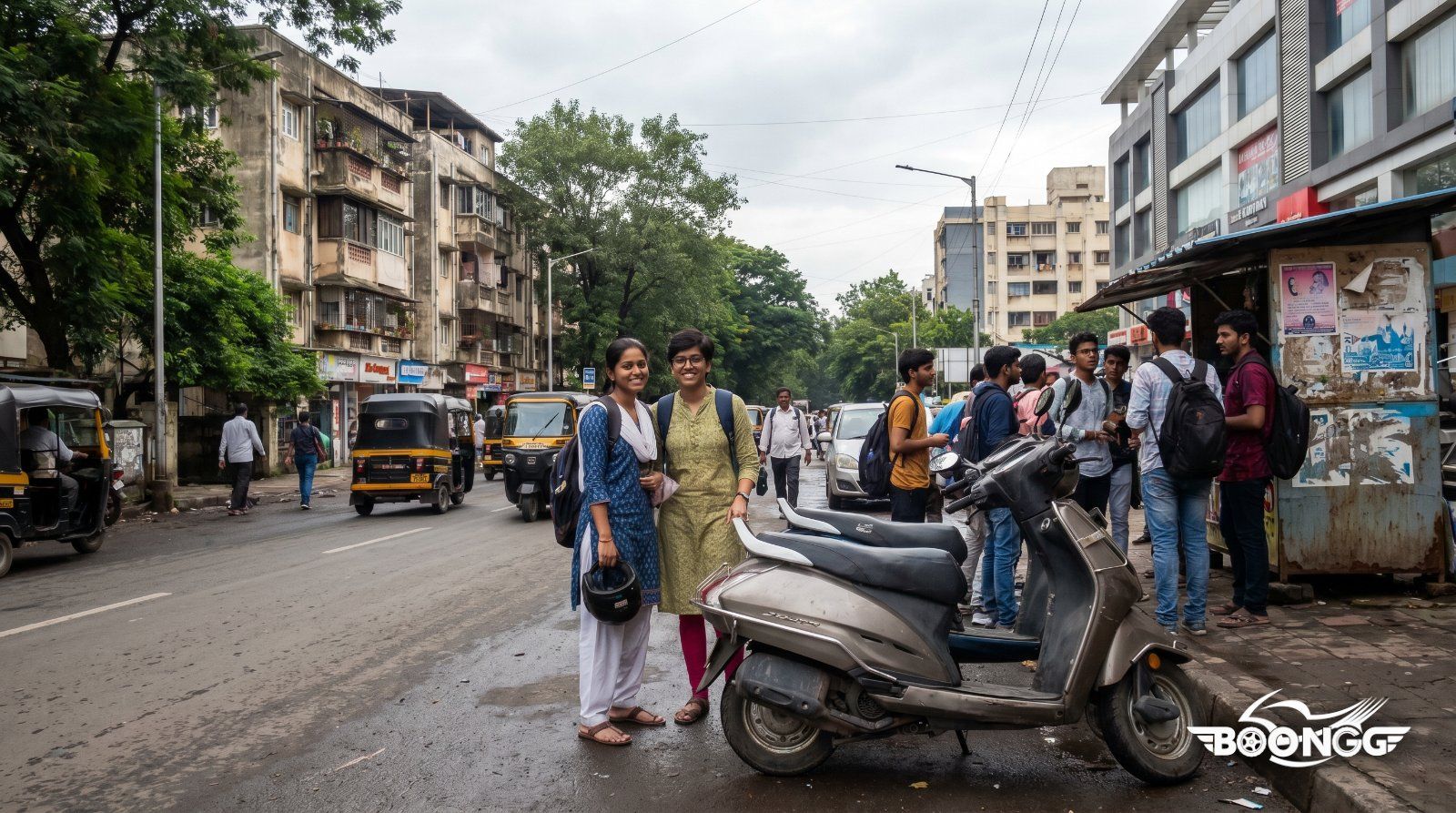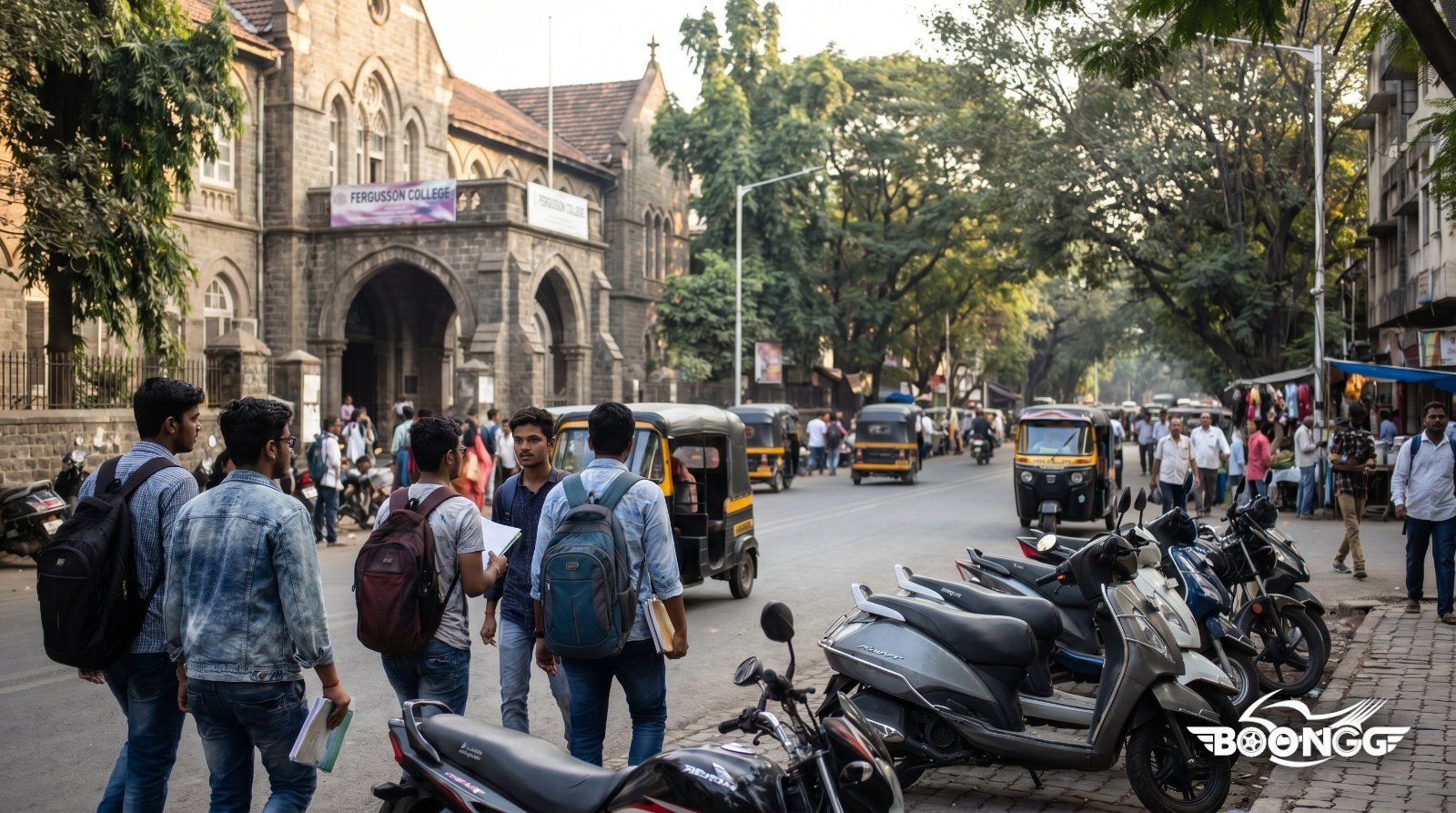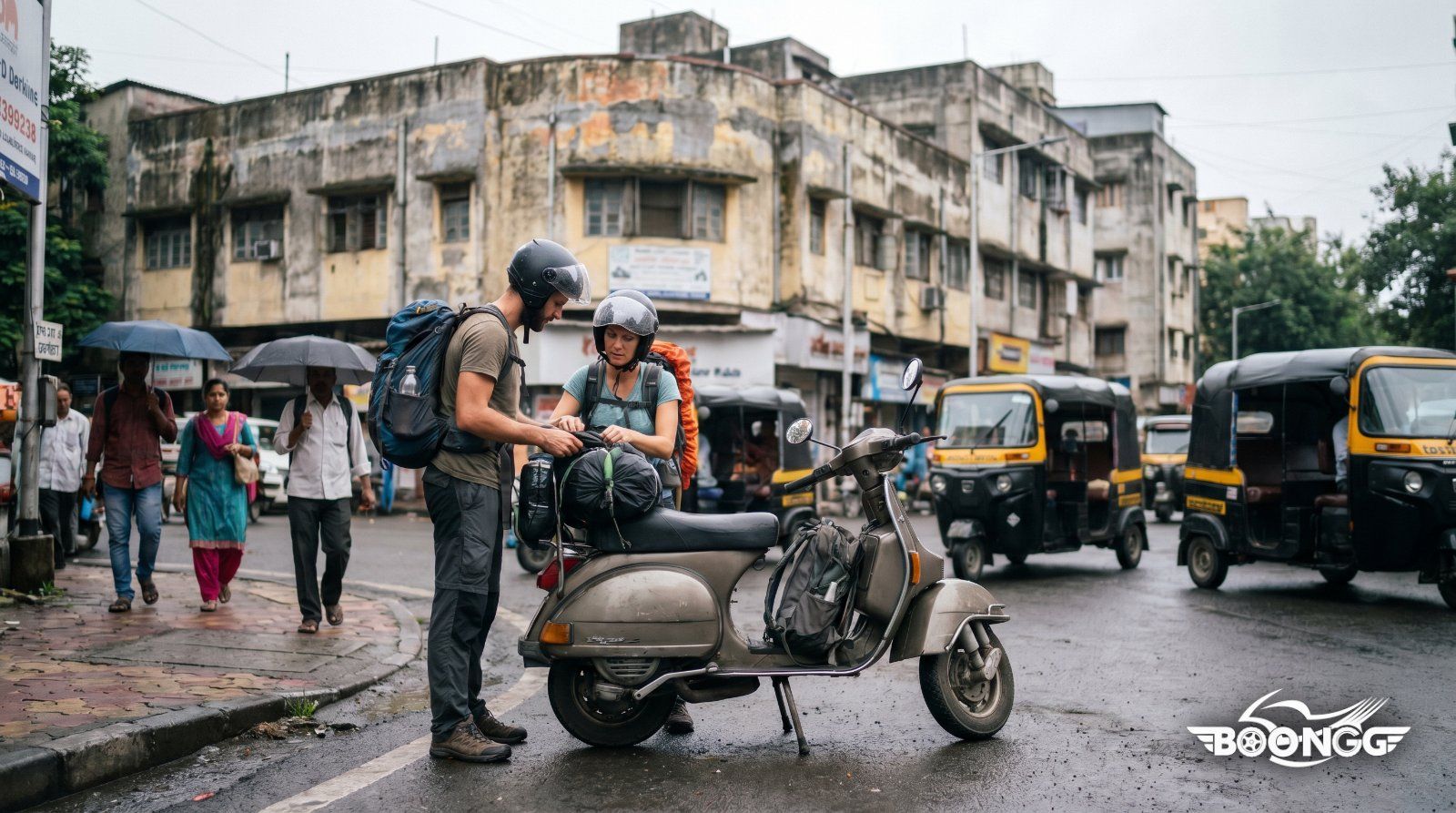

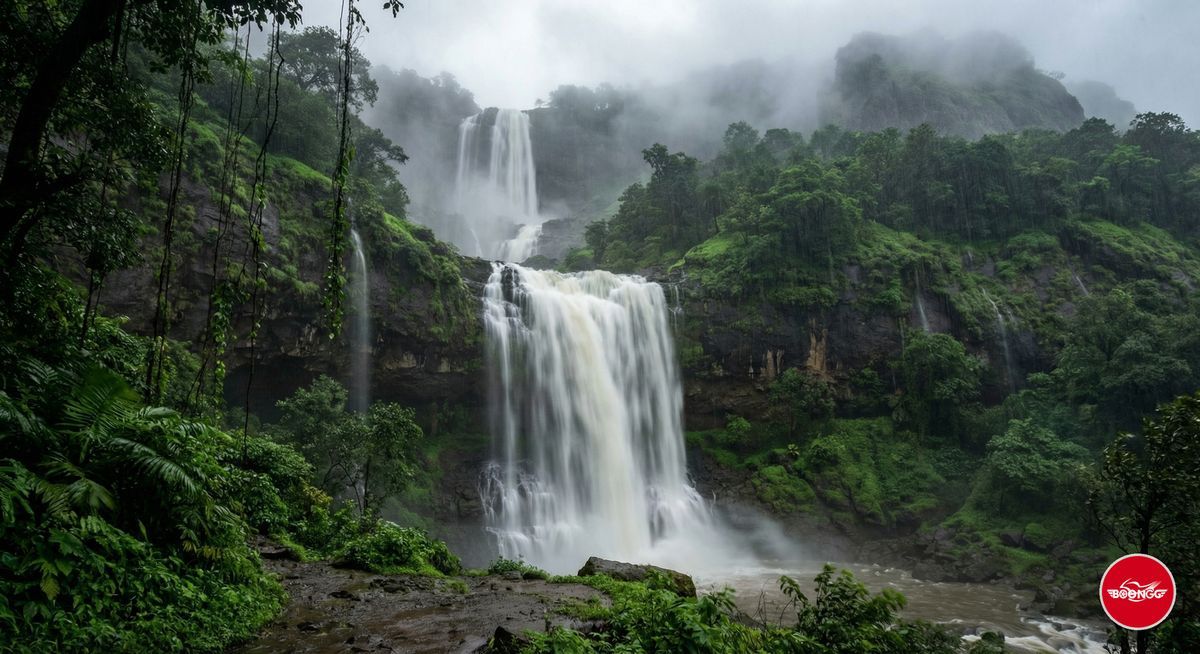
When the monsoon hits Pune in June, the city transforms. But the real magic happens outside it — within a 100 km radius, the Sahyadri mountains erupt with waterfalls, the ghats turn electric green, and roads that looked ordinary in summer become some of the most scenic rides in India. If you ride a bike in Pune and you haven't experienced the monsoon ghats, you're missing the single best thing about living in this city.
This guide covers 10 monsoon bike rides from Pune — each tested for road conditions, waterfall reliability, and rider safety — plus a comprehensive monsoon riding safety section that could save your life (or at least your tyres).
Before You Ride: Monsoon Safety Essentials

Monsoon riding is not the same as dry-weather riding. The risks are real — wet roads, reduced visibility, flooded sections, and debris. Here's what every monsoon rider must do:
Gear Up Properly
- Rain jacket (not poncho): Ponchos catch wind and can get tangled in wheels. Get a proper two-piece rain suit (jacket + pants) — ₹500-800 on Amazon.
- Waterproof shoe covers: Your feet will be wet all day otherwise. ₹200 for a decent pair.
- Anti-fog visor: A fogged-up helmet visor is dangerous. Apply anti-fog spray or keep the visor cracked open slightly.
- Waterproof phone pouch: Your phone is your navigation. A ₹150 waterproof pouch keeps it usable in heavy rain.
Bike Safety Checks
- Tyre tread: Smooth tyres on wet roads = guaranteed slides. Check tread depth before every monsoon ride. If renting from Boongg, ask the staff to show you the tyre condition.
- Brakes: Wet drum brakes (common on scooties) have reduced stopping power. Apply brakes gently and earlier than you normally would.
- Headlights: Keep them ON even during the day. Visibility drops dramatically in rain, and you need to be seen.
- Horn: Test it. Visibility is low — your horn becomes your primary communication tool with other vehicles.
Riding Technique
- Reduce speed by 20-30%. If you normally ride at 60 kmph on ghats, ride at 40-45 in monsoon.
- Increase following distance to 4-5 seconds. Braking distance doubles on wet roads.
- Avoid white road markings and metal manhole covers. These become ice-rink slippery when wet.
- Don't ride through standing water deeper than your wheel hub. You can't see potholes under water.
- If it's raining too hard to see, STOP. Pull over at a safe spot and wait. A 10-minute heavy burst usually passes.
The 10 Best Monsoon Bike Rides from Pune
1. Tamhini Ghat — The Waterfall Highway (60 km)
Route: Pune → Pirangut → Mulshi → Tamhini Ghat
Distance: 60 km one way | Ride time: 1.5-2 hours
Waterfall count: 15-20 visible from the road
Best months: July-September
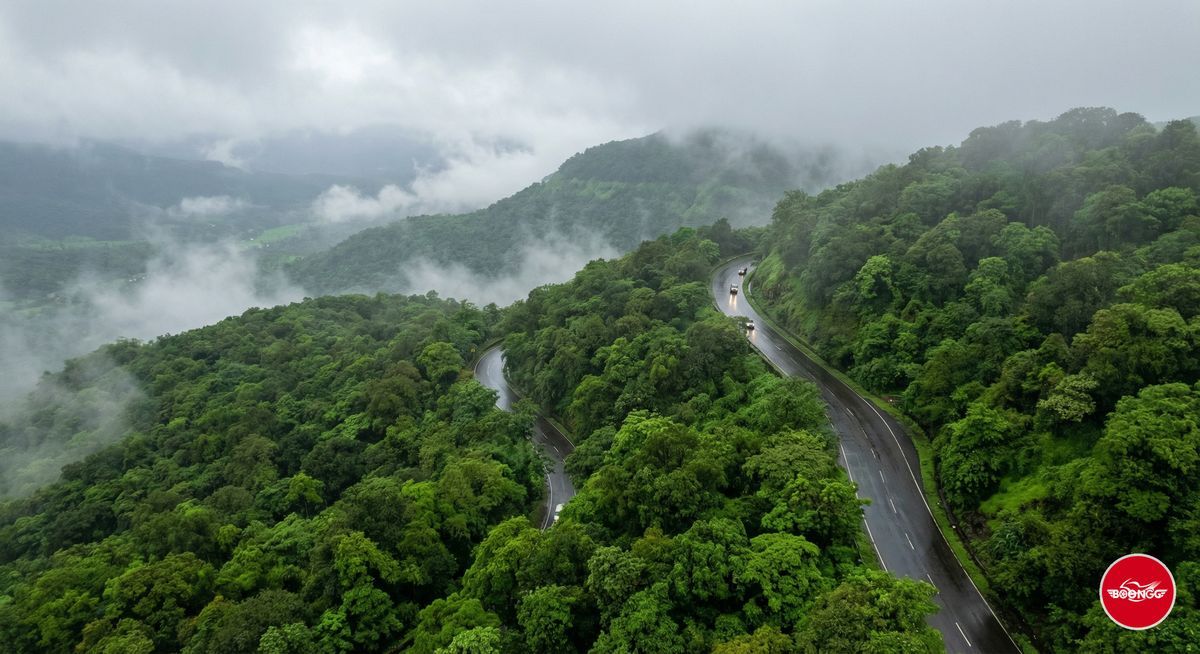
Tamhini Ghat is the undisputed king of monsoon rides from Pune. The 15 km ghat section has waterfalls literally pouring onto the road — you ride through curtains of water with dense forest on both sides and valleys disappearing into clouds below. The road is two-lane, well-maintained, but demanding — sharp curves, steep gradients, and frequent waterfall crossings require full concentration.
What to see: Tamhini waterfall viewpoint (largest single waterfall on the route), Mulshi Dam backwaters, and the cloud-level hairpins where you ride above the valley fog.
Food: Maggi and chai stalls appear at every other viewpoint during monsoon. The bhutta (corn) sellers near Mulshi are a monsoon tradition.
Pick up point: Boongg Kothrud or Sinhagad Road for the shortest exit from Pune.
2. Lonavala — Bhushi Dam & Kune Falls (65 km)
Route: Pune → Dehu Road → Kamshet → Lonavala
Distance: 65 km one way | Ride time: 1.5-2 hours
Best months: July-August
The Pune-Lonavala ride transforms during monsoon. The ghat section gets waterfalls cascading onto the road, and Bhushi Dam becomes a natural waterpark with thousands of people playing in the cascading water. Kune Falls, 5 km from Lonavala town, is a stunning 200-metre waterfall that's at its peak flow in August.
Warning: Weekends at Bhushi Dam in July-August are insanely crowded. Go on a weekday or skip Bhushi entirely and ride to Kune Falls and Rajmachi instead.
3. Lavasa Road — The Easy Scenic Ride (55 km)
Route: Pune → Chandni Chowk → Pirangut → Lavasa
Distance: 55 km one way | Ride time: 1.5 hours
Best months: June-September
The road to Lavasa (even if you skip Lavasa itself) is one of Pune's best-kept monsoon secrets. The stretch from Pirangut onwards winds through hills with lake views, and during monsoon, small waterfalls appear at every curve. The road surface is excellent — smooth tarmac with proper guard rails. Perfect for riders who want monsoon beauty without the intensity of Tamhini or Malshej.
4. Malshej Ghat — Flamingos & Fog (150 km)
Route: Pune → Chakan → Narayangaon → Malshej Ghat
Distance: 150 km one way | Ride time: 3.5-4 hours
Best months: July-September (flamingo season)
The longest ride on this list but arguably the most rewarding. Malshej Ghat is famous for two things during monsoon: waterfalls so dense that the entire ghat section becomes a water curtain, and migrating flamingos that turn the lake pink. The road from Narayangaon to the ghat top climbs 700 metres through 10+ hairpins with valley views that disappear into clouds.
Pro tip: Leave Pune by 5 AM. The ghat section is best in early morning light when clouds are still rising from the valley. By noon, visibility drops to near zero on heavy rain days.
5. Bhira Dam & Devkund Waterfall (115 km)
Route: Pune → Tamhini Ghat → Mangaon → Bhira
Distance: 115 km one way | Ride time: 3 hours
Best months: August-September
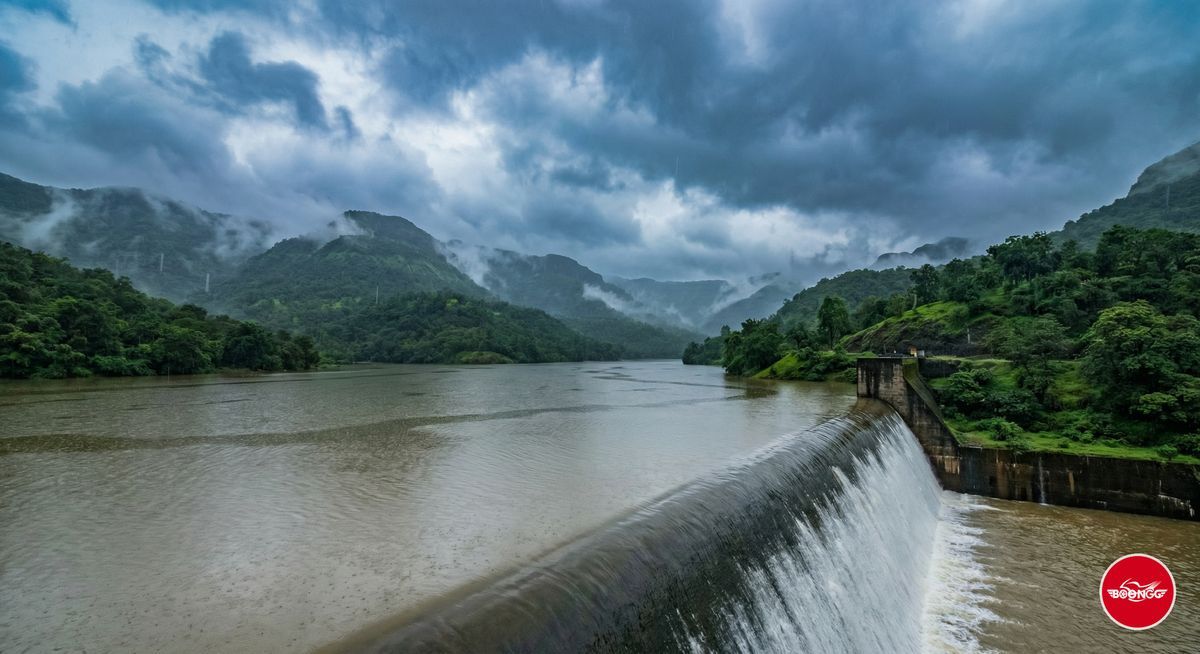
If Tamhini Ghat is the appetiser, Bhira Dam is the main course. Continue past Tamhini Ghat and descend into the Konkan, where the dam sits surrounded by mountains. When the dam overflows in August, the spillway creates a waterfall visible from kilometres away. Devkund Waterfall (a 45-minute trek from the road) is a hidden plunge pool surrounded by cliffs — one of Maharashtra's most beautiful hidden spots.
6. Sinhagad Fort in Rain (30 km)
Route: Pune → Sinhagad Road → Sinhagad Fort
Distance: 30 km one way | Ride time: 45 min
Best months: July-September
Sinhagad in monsoon is an entirely different fort than in summer. Clouds sit at fort level, waterfalls cascade off the ramparts, and the trek path becomes a stream. The ride up the ghat road is narrow and steep — ride an Activa or light bike, not a heavy motorcycle. The hot zunka bhakri and pithla at the fort top taste ten times better in the rain and cold.
7. Panshet Dam & Varasgaon (50 km)
Route: Pune → Sinhagad Road → Panshet
Distance: 50 km one way | Ride time: 1.5 hours
Best months: July-August
Panshet Dam is one of Pune's primary water sources, and when it reaches overflow level in July-August, the dam gates open to create a spectacular water release. The ride to Panshet passes through rural Maharashtra — green rice paddies, small villages, and empty roads.
8. Katraj Ghat to Bhor (40 km)
Route: Pune → Katraj → Bhor
Distance: 40 km one way | Ride time: 1 hour
Best months: June-September
A lesser-known monsoon ride that avoids weekend crowds entirely. The Katraj Ghat section has been upgraded with good roads, and the descent towards Bhor offers views of the Nira River valley blanketed in monsoon green. Bhor has Bhatghar Dam — another overflow spectacle in heavy monsoon years.
9. Rajgad Fort via Pabe Ghat (65 km)
Route: Pune → Chandni Chowk → Nasrapur → Rajgad base
Distance: 65 km one way | Ride time: 2 hours
Best months: Late September (post heavy rains)
Rajgad — "King of Forts" — was Shivaji Maharaj's capital for 26 years. The ride through Pabe Ghat is scenic but manageable, and the fort trek is moderate (2 hours up). In late monsoon, the fort's water cisterns are full, the ramparts are draped in moss, and the 360° views from Sanjivani Machi are the best in the Sahyadris.
10. Pawna Lake Circuit (75 km loop)
Route: Pune → Kamshet → Pawna Dam → Tungi → Pune (loop)
Distance: 75 km loop | Ride time: 2.5 hours
Best months: July-September
A circular ride that covers Pawna Lake, Tikona Fort base, and Tung Fort base in one loop. The lake is at its most beautiful when full — jade green water reflecting the surrounding hills. Multiple camping spots line the lakeside road. The loop keeps you on paved roads throughout.
What to Ride in Monsoon
For monsoon ghat rides, lighter is better:
| Bike | Monsoon Rating | Why |
|---|---|---|
| Honda Activa (110cc) | Excellent | Low centre of gravity, light, easy to control on slippery roads |
| TVS Jupiter | Excellent | Same as Activa plus better ground clearance for water crossings |
| Honda Shine (125cc) | Good | Disc brake option improves wet-weather stopping |
| Bajaj Pulsar 150 | Good | Wider tyres give more grip, but heavier to control on narrow ghat roads |
| Royal Enfield 350 | Average for ghats | Heavy bike on narrow wet ghat roads is challenging. Save the RE for highway trips. |
Rent from Boongg — free helmet included, and you can return the bike muddy and wet (just don't damage it). Daily rentals from ₹399 are perfect for monsoon day rides where you don't want to put your own bike through the abuse.
Monsoon Ride Planning: Quick Reference
| Ride | Distance | Difficulty | Best Month | Crowd Level |
|---|---|---|---|---|
| Tamhini Ghat | 60 km | Moderate | July | Medium (weekends high) |
| Lonavala/Bhushi | 65 km | Easy | July-Aug | Very High |
| Lavasa Road | 55 km | Easy | Jun-Sep | Low |
| Malshej Ghat | 150 km | Hard | Aug | Medium |
| Bhira/Devkund | 115 km | Hard | Aug-Sep | Low |
| Sinhagad Fort | 30 km | Moderate | Jul-Sep | High |
| Panshet Dam | 50 km | Easy | Jul-Aug | Low |
| Katraj-Bhor | 40 km | Easy | Jun-Sep | Very Low |
| Rajgad Fort | 65 km | Moderate | Late Sep | Medium |
| Pawna Lake Loop | 75 km | Easy | Jul-Sep | Medium |
Frequently Asked Questions
Is it safe to ride a bike in Pune monsoon?
Yes, with proper precautions. Thousands of riders do monsoon ghat rides every weekend. The keys are: good tyres, reduced speed, rain gear, and headlights on. Avoid riding in zero-visibility downpours — pull over and wait. The biggest risk isn't the rain; it's overconfidence.
Can I take a rental scooty on monsoon ghat rides?
Absolutely. An Activa or Jupiter handles monsoon ghats well — the lower centre of gravity actually makes them more stable on wet curves than heavier bikes. Just be gentle on the brakes and take turns slowly.
What if it rains heavily and I can't ride back?
Most monsoon rides are within 70 km of Pune. If rain gets too heavy, take shelter at a dhaba or viewpoint and wait. Heavy bursts rarely last more than 30-40 minutes. For longer rides (Malshej, Bhira), consider carrying overnight supplies or having a backup plan for a hotel stay.
When is the best month for monsoon rides from Pune?
Late July to mid-August is peak monsoon magic — maximum waterfall flow, greenest landscapes. But early monsoon (June) has lighter rain and easier riding conditions. September is good for fort treks as trails dry out slightly while the landscape stays green.
Which monsoon ride is best for beginners?
Lavasa Road (55 km) — excellent road surface, gentle curves, scenic without being dangerous. Panshet Dam (50 km) is another easy option with rural roads and minimal traffic.
The Clock Is Ticking
Pune's monsoon window is roughly 100 days — mid-June to late September. Within that, the real waterfall season is about 60 days (July-August). Miss it and you wait another year. The best monsoon weekends — when rain has been heavy but the morning dawns cloudy — are precious and unpredictable. Keep a rental scooty on standby.
Rent from Boongg — ₹399/day, zero deposit, free helmet, 16+ Pune locations. When the weather forecast shows rain over the Sahyadris, you want to be ready.