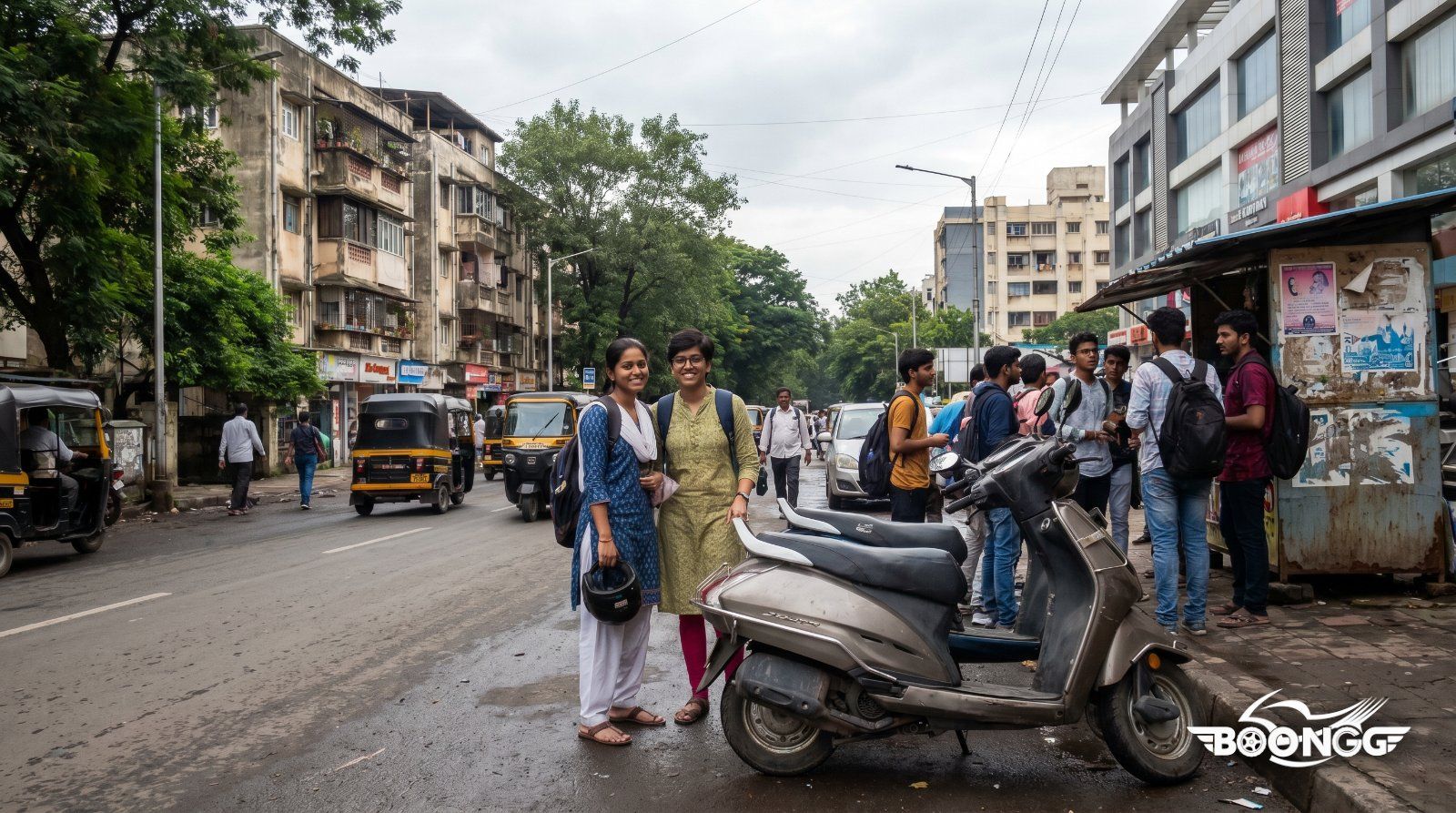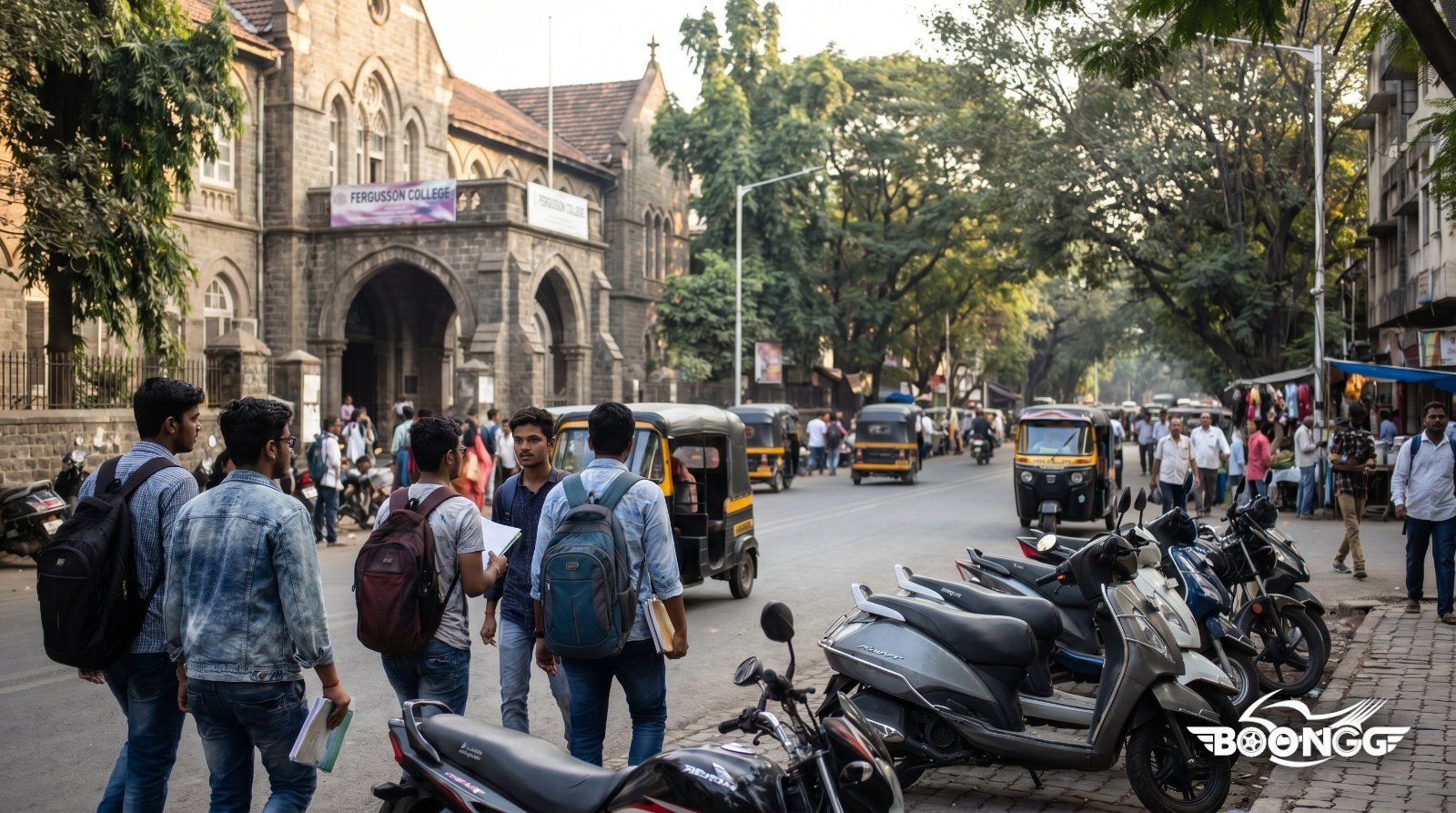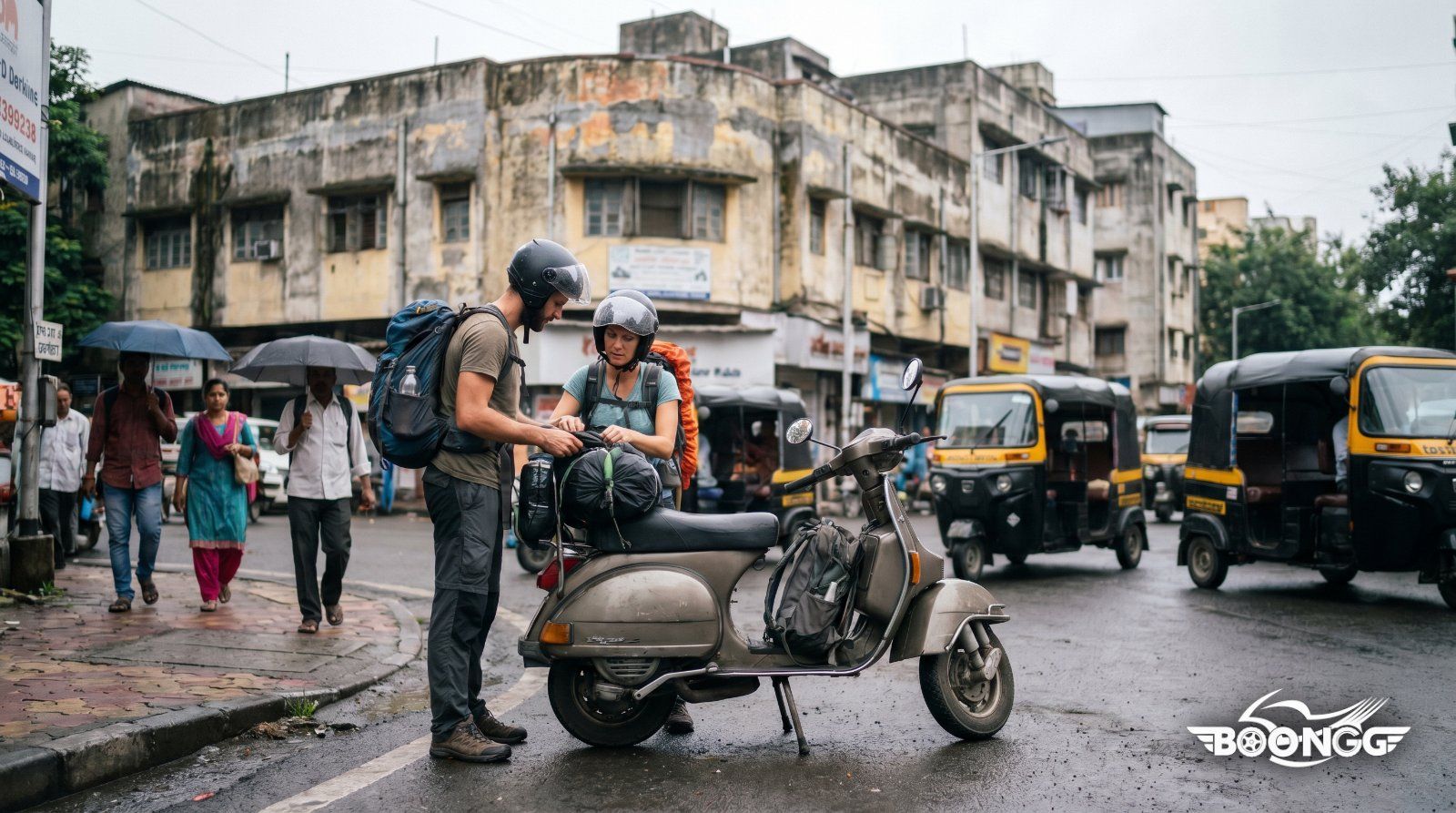

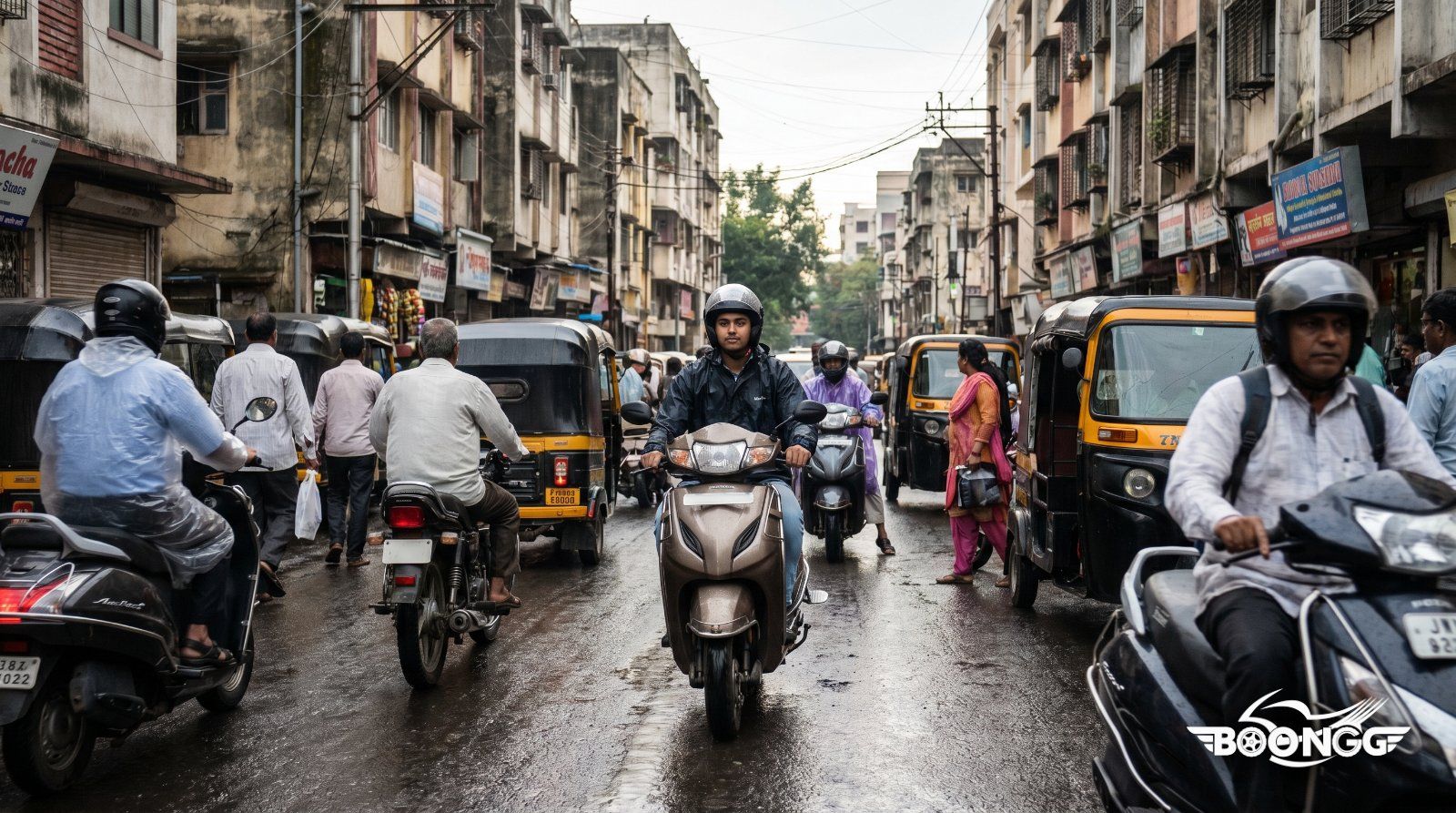
Pune traffic has a personality of its own: fast two-wheelers, unpredictable autos, sudden potholes and junctions that test your nerve. For a new rider it can feel chaotic, but a few habits make it manageable and even easy.
Here is a beginner survival guide to riding in Pune traffic.
What makes Pune traffic tricky
The city mixes dense two-wheeler flows, autos that stop without warning, and roads that range from smooth to badly broken within a kilometre. Lane discipline is loose, so anticipation matters more than rules alone.
Sort your documents and basics first
- Carry a valid driving licence, the vehicle papers, insurance and PUC
- Always wear a properly fastened helmet
- Set your mirrors before you move, and actually use them
Defensive riding habits
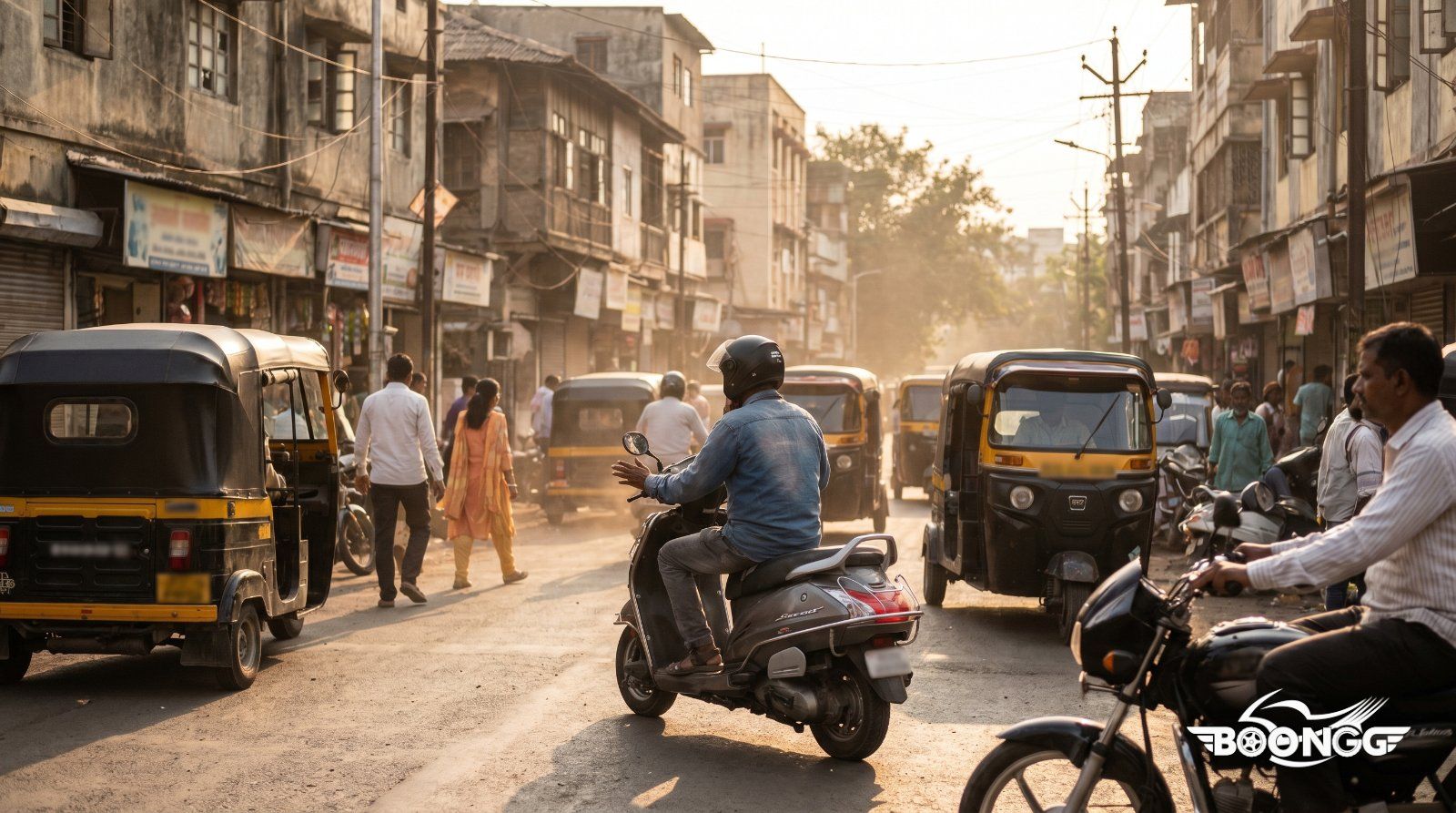
- Assume others may turn or stop suddenly, and leave space
- Cover your brakes near junctions and bus stops
- Make eye contact at crossings rather than assuming you are seen
- Indicate early and clearly for every turn
Common hazards to expect
Watch for autos cutting across, riders coming the wrong way on short stretches, unmarked speed breakers and potholes that hide in shadows and puddles. Stay off your phone entirely while riding.
Build confidence step by step
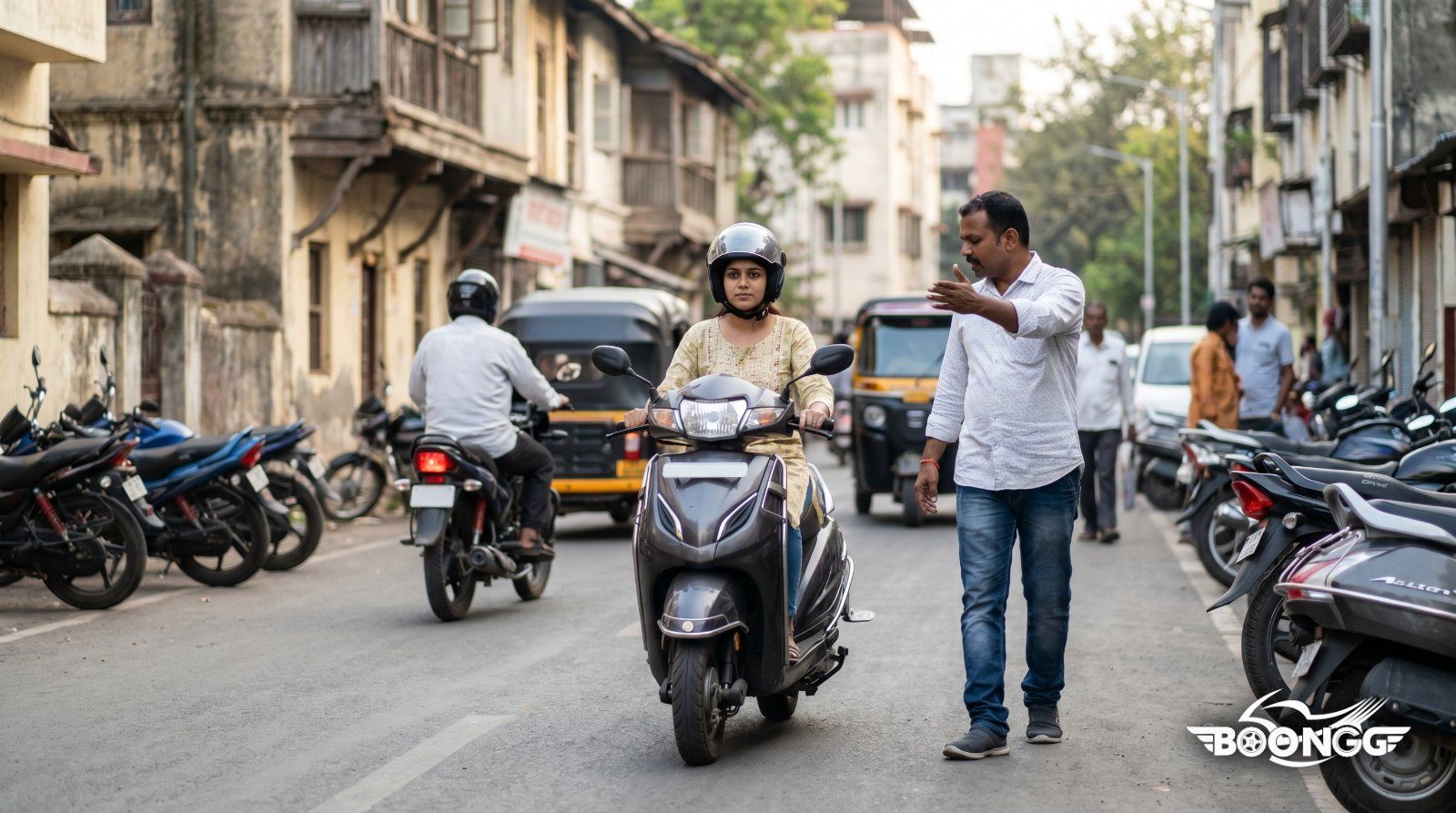
Start on quieter roads and off-peak hours, learn a few regular routes well, then expand. A reliable, well-maintained bike makes a big difference when you are learning.
Junctions and stretches that deserve extra respect
Every Pune rider builds a mental map of trouble spots; here is a starter version. University Circle and the Shivajinagar approaches mix buses, autos and impatient two-wheelers in every direction — hold your line and make no sudden moves. The Paud Phata and Karve Road flyover merges compress fast and slow traffic into the same lane, so check your mirrors twice. Swargate is a transport hub where buses pull out without much warning. At night, watch the Katraj ghat and the highway stretches, where speed differences between vehicles are at their most dangerous. None of these are unmanageable — they simply reward riders who arrive expecting complexity.
Monsoon riding: Pune’s advanced course
The first rain of the season is the most treacherous ride of the year, when months of oil and dust turn the tarmac slick — double your following distance and brake early and gently. Painted road markings, manhole covers and zebra crossings become skating rinks when wet, so avoid leaning or braking on them. Potholes hide under puddles; if you cannot see the bottom, assume the worst and slow down. Waterlogged underpasses are simply not worth the risk to your vehicle or yourself — take the longer way. Good rain gear and an unhurried mindset turn Pune’s monsoon from an ordeal into some of the most beautiful riding of the year.
Rent a bike or scooty in Pune for this
You do not need to own a two-wheeler to enjoy any of this. Grab a bike on rent in Pune from Boongg by the hour, day or month, helmet included, and head out whenever you are ready.
Related reads from the Boongg blog:
- monsoon riding gear and safety
- where to park your two-wheeler in Pune
- Pune traffic fines every rider must know
Frequently asked questions
Is it hard to ride in Pune traffic as a beginner?
It feels busy at first, but with defensive habits, early signalling and practice on quieter roads off-peak, most beginners get comfortable quickly.
What documents do I need to ride in Pune?
Carry a valid driving licence, the vehicle registration, insurance and a valid PUC certificate, and always wear a fastened helmet.
Can a new rider rent a scooter in Pune?
Yes, with a valid licence. Boongg offers well-maintained scooters and bikes on rent in Pune with a helmet, which is ideal while you build confidence.